Standard Method of Test for Hamburg Wheel-Track Testing of Compacted Asphalt Mixtures
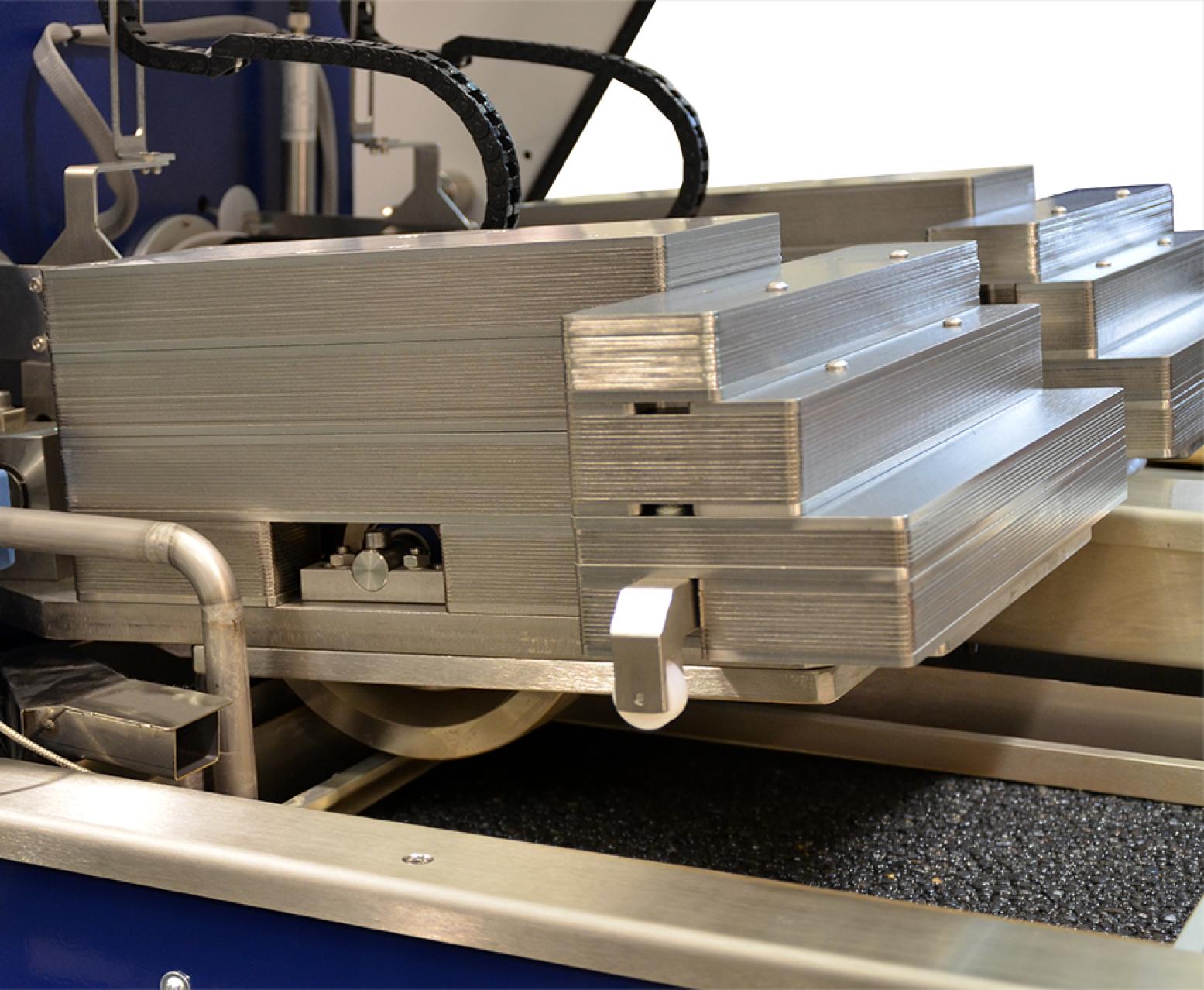
This test method describes a procedure for testing the rutting and moisture-susceptibility of hot mix asphalt (HMA) pavement samples in the Hamburg Wheel-Tracking Device. The method describes the testing of submerged, compacted HMA in a reciprocating rolling-wheel device. This test provides information about the rate of permanent deformation from a moving, concentrated load. A laboratory compactor has been designed to prepare slab specimens. Also, the Superpave Gyratory Compactor (SGC) has been designed to compact specimens in the laboratory. Alternatively, field cores of diameter, [150 mm (6 in.), 250 mm (10 in.), or 300 mm (12 in.)], or saw-cut slab specimens may be tested. The test method is used to determine the premature failure susceptibility of HMA due to weakness in the aggregate structure, inadequate binder stiffness, or moisture damage. This test method measures the rut depth and number of passes to failure. This test method measures the potential for moisture damage effects because the specimens are submerged in temperature-controlled water during loading. This test method is intended to be the standard; however, agencies may require deviations for various reasons, including test temperature, maximum rut depth calculation, equipment, or others. Deviations must be documented and made available to any accreditation or certifying entities or stakeholders, such as contractors and material producers, upon request.